

Hey there! Let’s talk about colonoscopies – I know, it’s not the most glamorous topic, but trust me, it’s worth discussing. Colonoscopies are a crucial screening tool for preventing and detecting colorectal cancer, which is one of the leading causes of cancer-related deaths worldwide (about 1.9 million new diagnoses and over 900,000 deaths annually).
So, what’s a colonoscopy?
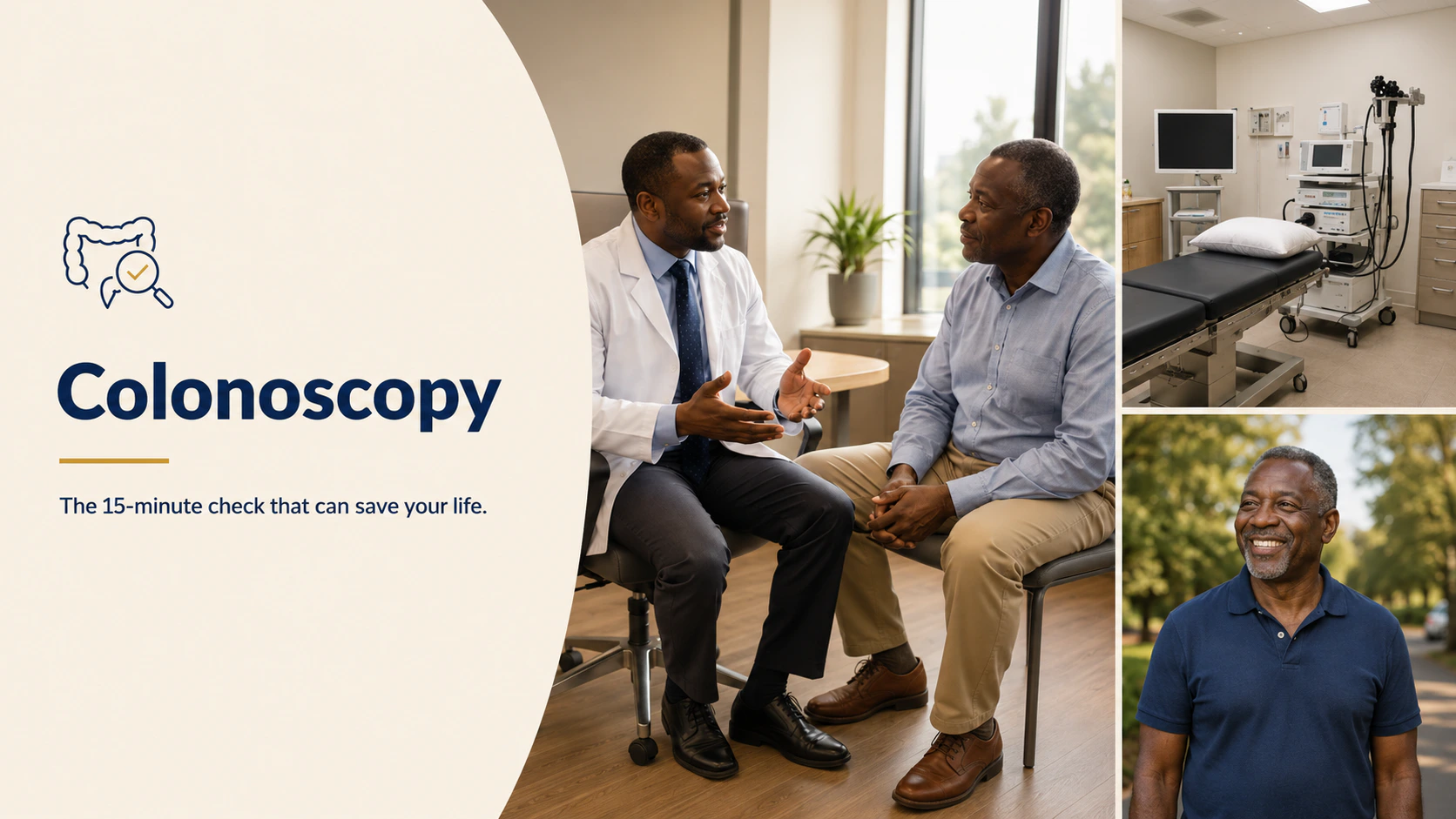
It is a medical procedure that allows your doctor to examine the inner lining of the large intestine (colon) and rectum. It is one of the most effective tools for detecting abnormalities such as polyps, inflammation, bleeding, and colorectal cancer. During the procedure, a doctor uses a colonoscope, a thin, flexible tube with a light and camera at its tip, which is gently inserted through the rectum and advanced through the colon. The camera transmits images to a monitor, allowing the doctor to carefully inspect the bowel lining.
The preparation
Before a colonoscopy, the colon must be thoroughly cleaned. Patients are usually advised to follow a special diet for a day or two and take a bowel-cleansing preparation to empty the intestines.
What’s the good part?
It’s a same-day procedure, and you’re usually under sedation, so you won’t feel a thing.
The benefits of colonoscopies
- Early detection saves lives: Colonoscopies can catch colon cancer in its early stages when it’s more treatable. In fact, according to the American Cancer Society, screening can reduce colon cancer deaths by up to 60%.
- Preventative treatment: During a colonoscopy, your doctor can remove precancerous polyps, preventing them from turning into cancer.
- It is also valuable in investigating symptoms such as rectal bleeding, unexplained anaemia, persistent abdominal pain, chronic diarrhoea, constipation, or changes in bowel habits. It can help diagnose conditions such as ulcerative colitis, Crohn’s disease, diverticular disease, and other disorders affecting the colon.
Who should get a colonoscopy, and when?
- Screening colonoscopy is commonly recommended beginning around 45 years of age.
- People with a family history of colorectal cancer, previous polyps, or certain genetic conditions may need screening earlier and more frequently.
- Large bowel symptoms lasting for more than 2 weeks, or blood detected in your stool.
Colonoscopies might not be the most fun thing to think about, but they’re a crucial part of taking care of your health. At M.P. Shah Hospital, we have the state-of-the-art Endoscopy suite with the latest equipment and an excellent team that perform over 100 colonoscopies every month. So, go ahead and schedule that appointment – your gut (and your doctor) will thank you!
By Dr. Sameer Pandya, M.P. Shah Hospital