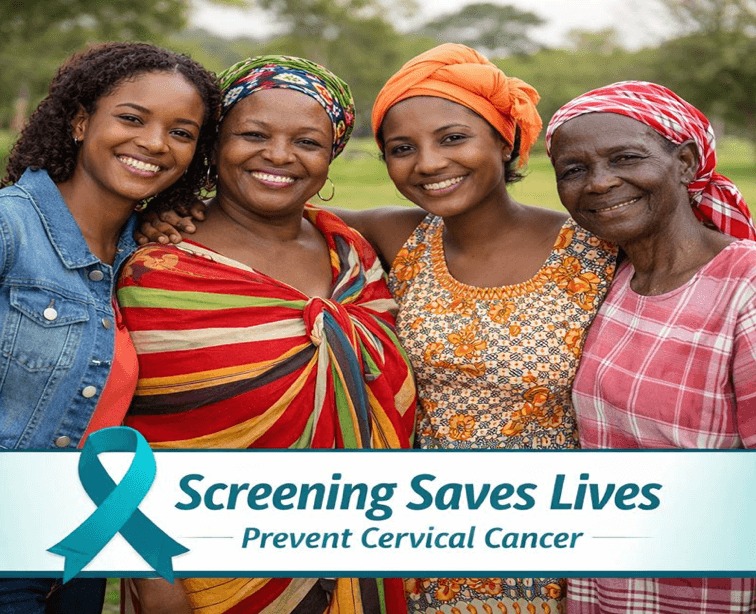


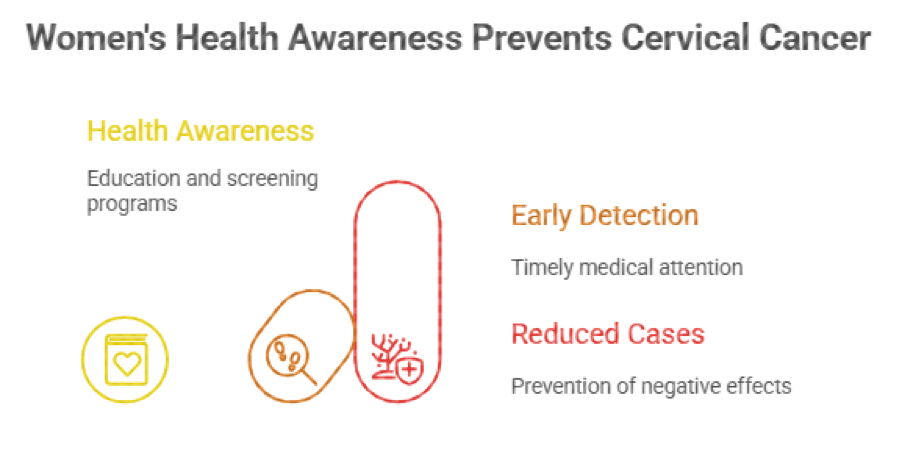
Cervical Cancer still is one of the world’s leading preventable cancers in women. In Kenya, increasing Women’s Health Awareness is essential to prevent the negative effects of this disease by creating awareness through education, screening and timely medical attention to affected Women. This guide aims to inform women regarding the disease, teach them about the symptoms of Cervical Cancer and promote their health by encouraging women to seek medical attention from reliable Healthcare Providers like MP Shah Hospital.
What is Cervical Cancer?
Cervical Cancer is a cancer that forms in the cells of the cervix, which is part of the female reproductive system and connects the vaginal canal to the uterus. Cervical Cancer typically develops slowly, and in most cases there are often no symptoms during the early phases of the disease. Therefore, routine screening for this disease is crucial. The major cause of nearly all cases of Cervical Cancer is an ongoing Infection with the high-risk types of Human Papilloma Virus.
Symptoms of Cervical Cancer
Symptoms of cervical cancer can be hard to notice because they can be very mild or even completely absent during the first stage. It is not until years later that women will begin to experience symptoms, such as abnormal vaginal bleeding, pelvic pain, pain during sexual activity, and other abnormal vaginal discharge. All women should be aware of the early signs and symptoms of cervical cancer and seek immediate medical attention, in order to increase their chances of survival.
Causes and Risk Factors
Long Persistent HPV (Human Papillomavirus) has been cited as the number one cause of cervical cancer. HPV can be transmitted primarily through sexual intercourse, however there are other reasons women can develop it that are not considered sexual in nature. Some risk factors for developing cervical cancer include being a smoker, having a weak immune system, using combined contraceptives (birth control pills) for a long time, and not receiving regular screening for cervical cancer. Knowledge of risk factors encourages women to take control of their health by making informed decisions on their health care.
Cervical Cancer Prevention
Effective cervical cancer prevention is accomplished through a combination of HPV vaccination, practicing safe sexual behaviours, and having regular Pap tests performed. HPV vaccinations protect women from contracting the HPV strains that have the highest risk of cervical cancer. Implementing the above-mentioned behaviours in your life will greatly reduce your chances of getting cervical cancer or of dying from it.
Importance of Cervical Screening (Smear Test)
Cervical Screening (Smear Test) is used to detect any irregularities in Encervical cells before they become malignant. Women in Kenya are encouraged by their healthcare professionals to have a cervical screening and continue at regular intervals. It plays an important role in the Early Detection of Cervical Cancer, detecting problems many years before any signs/symptoms develop.
Role of Early Detection
The ability to detect Cervical Cancer in its early stages increases significantly the potential for successful treatment. With early detection, the treatment options available are less invasive, and the chance of recovery is significantly higher which illustrates the importance of awareness and regular screening in Women’s Healthcare.
Comprehensive Care at MP Shah Hospital
In Kenya, MP Shah Hospital provides advanced diagnostic and treatment to meet the women’s health needs. It offers a full range of diagnostic and therapeutic services by qualified specialists and modern screening facilities as well as patient-centred care, allowing the hospital to care for women throughout their entire life — during prevention, screening and treatment and follow-up.
Frequently Asked Questions (FAQs)
1. How frequently do women need to get a cervical screening test?
Most women should get a Cervical Screening (Smear Test) every three to five years depending on age and their doctor’s advice.
2. Will all women who have HPV eventually develop cervical cancer?
No, the majority of women will clear their HPV infections without medical treatment, whereas persistent high-risk types of HPV will increase the risk of developing cervical cancer.
3. Does the HPV vaccine work for women over the age of 26?
Yes, the HPV vaccine is protective no matter what age the woman is, and a qualified provider will advise whether the woman would benefit from the HPV vaccine at that time.
4. Where can I find cervical screening services in Kenya?
In Kenya, there are reputable facilities offering cervical cancer screening and follow-up services including MP Shah Hospital.
5. What should I do if I notice signs of cervical cancer?
Accessing a health care provider for evaluation and advice as soon as a woman begins any type of concern with her overall/specific health is very important for all women.
Women’s Health Awareness in Kenya – Having improved awareness of women’s health issues will increase the number of women in Kenya who access regular cervical screening services, thereby positively impacting the population’s overall health (e.g., lower risk of cervical cancer).