


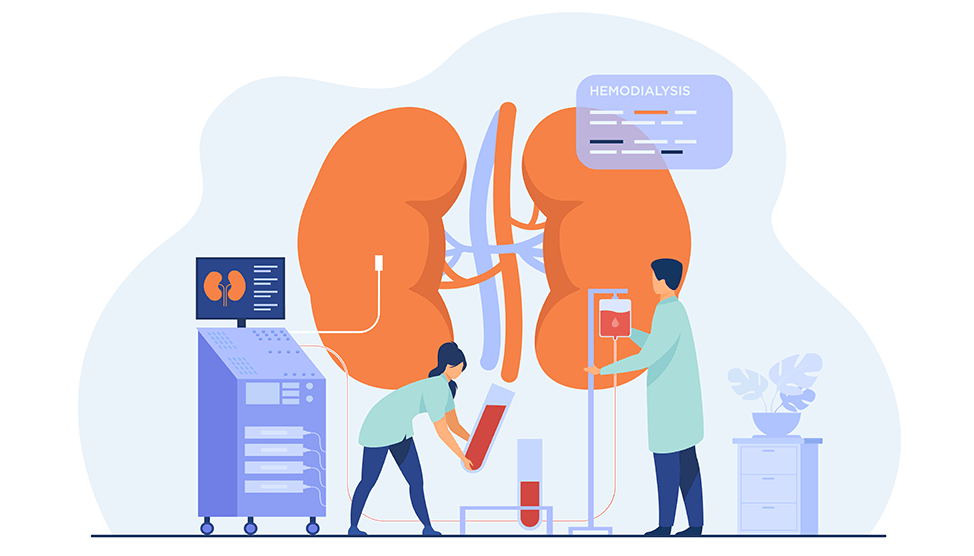
The connection between human health and the environment is profound, and nowhere is this more evident than in the realm of kidney care. With an estimated 850 million people worldwide living with chronic kidney disease, and over 3.3 million requiring life-sustaining dialysis, the impact of this treatment on both patients and the planet is significant. The emerging concept of “Green Dialysis” offers a powerful solution, demonstrating that protecting our environment and preserving our health are two sides of the same coin.
Dialysis is a medical marvel that saves millions of lives, but it comes with a staggering environmental footprint. A single four-hour hemodialysis session requires up to 500 liters of water. To put this in perspective, a patient receiving treatment three times a week uses over 78,000 liters of water annually—more than the average household uses in several months. Furthermore, each session generates up to 8 kilograms of waste, much of which is non-recyclable plastic. The energy consumption is equally intense, with a single treatment using as much electricity as a typical home does in an entire day.
This environmental toll creates a paradoxical cycle. The pollution and climate change exacerbated by resource-intensive healthcare actually contribute to the rise in kidney disease. Research indicates that environmental factors, such as air pollution (specifically fine particulate matter like PM2.5) and water contamination from heavy metals, are directly linked to the development and progression of chronic kidney disease. In fact, up to 26% of kidney diseases in high-risk populations may be attributable to environmental exposures. As climate change intensifies, patients with kidney disease become increasingly vulnerable to heat-related acute kidney injury and disruptions in care due to extreme weather events.
Enter Green Dialysis—a sustainable approach to kidney care that aims to break this cycle. Healthcare facilities worldwide are adopting innovative strategies to reduce their environmental impact without compromising patient care. These initiatives focus on three main pillars: water conservation, energy efficiency, and waste reduction.
| Sustainability Pillar | Green Dialysis Solutions |
| Water Conservation | Implementing advanced reverse osmosis systems, recycling reject water for non-clinical uses, and utilizing full-heat disinfection to eliminate chemical waste. |
| Energy Efficiency | Transitioning to renewable energy sources, optimizing facility design for natural light and temperature control, and using energy-efficient medical equipment. |
| Waste Reduction | Minimizing packaging, shortening hemodialysis bloodlines to reduce plastic use, and improving recycling programs for non-hazardous materials. |
By implementing these sustainable practices, the healthcare sector can significantly reduce its carbon footprint. For instance, capturing and reusing the “reject water” from the purification process can save millions of liters annually per facility.
The transition to Green Dialysis is not merely an environmental imperative; it is a critical component of public health. A healthier planet leads to healthier kidneys. By reducing pollution and mitigating climate change, we can lower the incidence of environmentally-driven kidney diseases.
As patients, healthcare providers, and global citizens, we must advocate for sustainable medical practices. Green Dialysis proves that we do not have to choose between saving lives today and preserving the earth for tomorrow. By embracing eco-friendly kidney care, we are investing in a future where both our planet and our people can thrive.
By Dr. Bagha Hussein – Consultant Nephrologist.