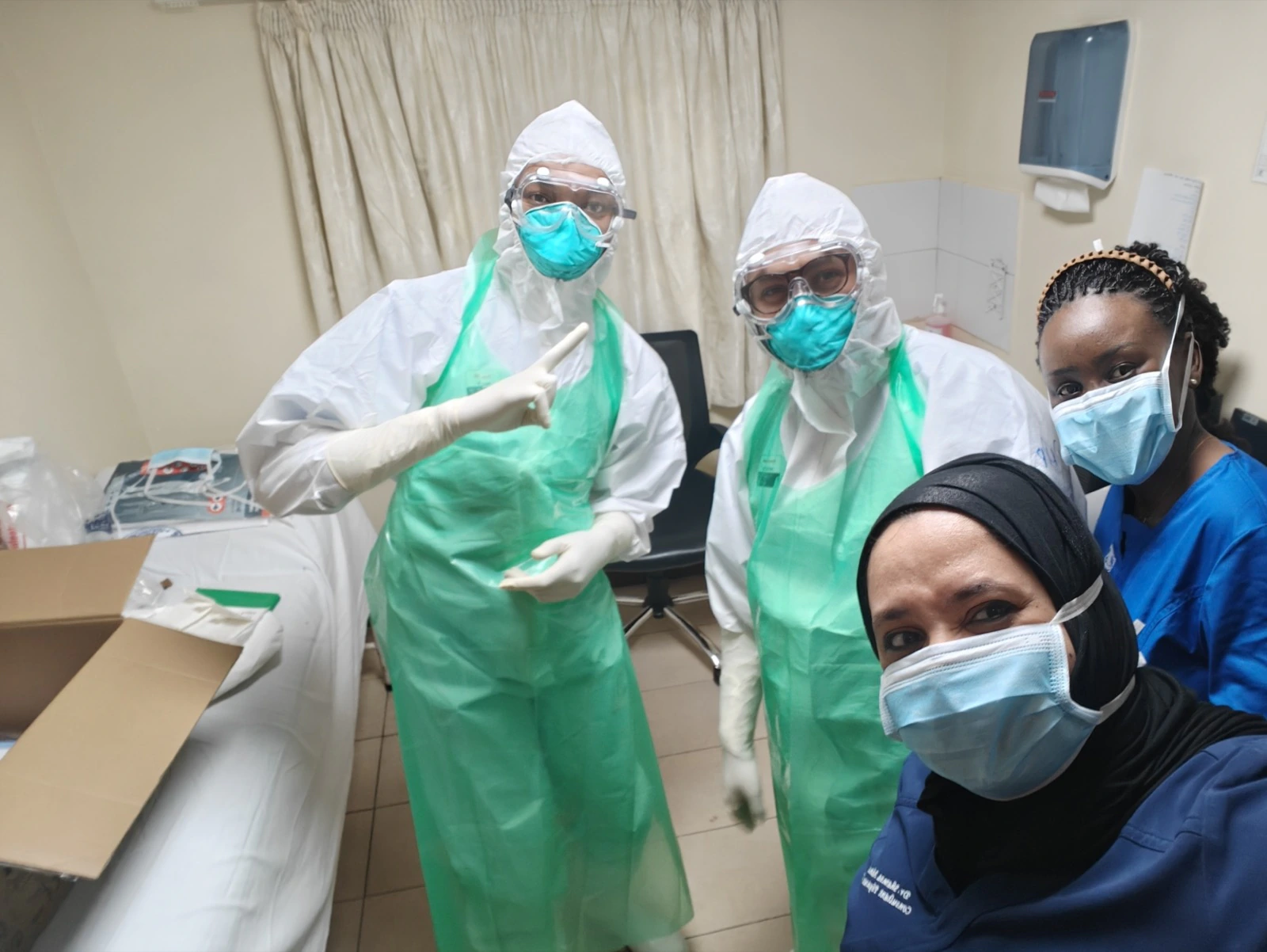



Women health is not a single chapter — it is a lifelong story, shaped by hormones, age, lifestyle, and circumstance. Yet across every stage of that story,” one truth holds firm: preventive care is the most powerful medicine available. Catching problems early, understanding your body, and staying connected to the right specialists can make the difference — between a condition managed and a crisis avoided.
At M.P. Shah Hospital, we have built our care model around exactly that philosophy — proactive, personalised, and compassionate support for women at every stage of life. This guide covers the screenings, habits, and specialist services that every woman should know.
Why Preventive Care Matters More Than You Think
Many of the most serious conditions affecting women — including breast cancer, cervical cancer, osteoporosis, and heart disease — develop silently. By the time symptoms appear, the window for early intervention may have already narrowed. Regular health assessments give clinicians the opportunity to identify risk factors, abnormal results, or early-stage disease before they progress.
Our Health Packages at M.P. Shah Hospital are designed to make this process straightforward, affordable, and thorough — so there is no reason to delay.
Essential Screenings Every Woman Should Have
Cervical Cancer Screening (Pap Smear & HPV Test)
Cervical cancer is one of the most preventable cancers in the world, yet it remains a leading cause of cancer-related death among women in sub-Saharan Africa. A Pap smear detects abnormal cervical cells before they become cancerous, whilst an HPV test identifies the presence of the human papillomavirus, the primary cause of cervical cancer.
Women aged 21–65 should have a Pap smear every three years. From age 30, combining the Pap smear with an HPV test every five years is equally effective and often more convenient. If you have never had a Pap smear or missed your last one, now is the time to book.
Our Waridi Women’s Health & Wellness Centre provides these screenings in a private, supportive environment.
Breast Cancer Screening
Breast cancer is the most commonly diagnosed cancer among women globally. Early detection dramatically improves outcomes — women whose breast cancer is caught at stage one have a five-year survival rate of over 98%.
Every woman should perform a monthly breast self-examination and be familiar with what feels normal for her body. Any new lump, skin dimpling, nipple discharge, or change in breast shape warrants prompt assessment.
Clinical breast examinations should be conducted by a healthcare professional every one to three years from age 20, and annually from age 40. Mammography — an X-ray of the breast — is recommended annually from age 40, or earlier if you have a family history of breast cancer.
Our dedicated Breast Clinic at M.P. Shah Hospital offers mammography, ultrasound, and expert clinical assessment in one specialised setting.
Bone Density Screening
Osteoporosis causes bones to become brittle and fragile, yet it typically produces no symptoms until a fracture occurs. Women are significantly more vulnerable than men, particularly after the menopause, when oestrogen levels drop sharply and bone loss accelerates.
A DEXA scan (dual-energy X-ray absorptiometry) measures bone mineral density and identifies osteoporosis or the early stage known as osteopenia. Women should have their first scan at age 65, or earlier if they smoke, have a low body weight, take long-term corticosteroids, or have a family history of osteoporosis.
Calcium and vitamin D intake, resistance exercise, and certain medications can all slow bone loss when identified early.
Cardiovascular Screening
Heart disease is frequently perceived as a male condition, yet it is the leading cause of death in women worldwide. Women often experience different symptoms during a cardiac event — nausea, jaw pain, or extreme fatigue rather than the classic chest-crushing pain — which means it is more easily missed.
Regular blood pressure checks, cholesterol monitoring, blood glucose testing, and BMI assessment are the pillars of cardiovascular risk screening. These should begin at age 20 and be repeated every two to five years depending on your individual risk profile.
Our Cardiac Clinic provides comprehensive cardiovascular assessments carried out by experienced specialists.
Diabetes Screening
Type 2 diabetes is strongly associated with cardiovascular disease, kidney damage, and pregnancy complications. Women with polycystic ovary syndrome (PCOS) are at particular risk.
Fasting blood glucose or an HbA1c test should be performed at least every three years from the age of 45, or earlier if you carry risk factors such as obesity, a sedentary lifestyle, or a family history of the condition. Our Diabetes Care Centre offers full metabolic assessments and ongoing management plans.
Taking the First Step
Women often put others first — children, partners, ageing parents — and delay their own healthcare; until it becomes unavoidable. This guide is an invitation to shift that pattern. Preventive care is not a luxury; it is a responsibility; you owe it to yourself and to everyone who depends on you.
Whether you need a first-time screening, a specialist consultation, or a comprehensive wellness package, M.P. Shah Hospital is here to support you. You can find a doctor, explore our health packages, or book an appointment online at your convenience.
Your health is not something to fit in around everything else. It is the foundation of everything else.