

ENHANCING POSTPANDEMIC PEADIATRIC IMMUNITY & NUTRITIONAL SUPPORT
During the recent Covid-19 pandemic, the most affected populations were the elderly, children and other vulnerable groups. This article focuses on strategies we can employ to optimize the health of children and improve immunity against childhood illnesses including optimum nutrition and immunization against childhood illnesses.
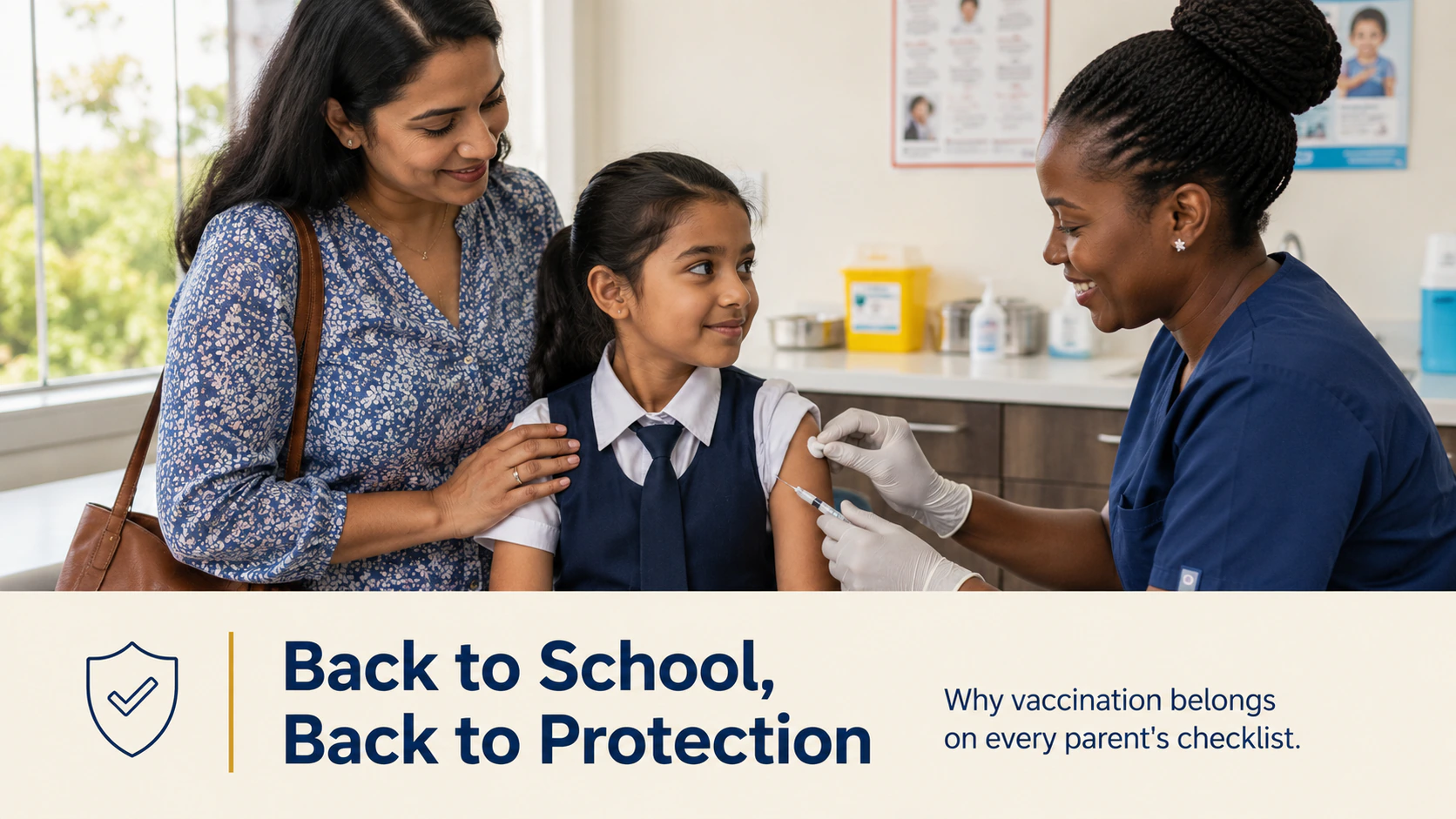
Infants and young children have underdeveloped immune systems, making them more susceptible to infections. Immunisation is an effective way to protect against vaccine preventable diseases such as polio, measles and meningitis.Many vaccine-preventable diseases can lead to severe complications, including paralysis, brain damage, and death. When a large percentage of the population is immunized, it helps to prevent outbreaks and protect those who cannot be vaccinated. Vaccines are most effective when administered at the recommended age.
Some common childhood diseases that can be prevented through vaccination include;
- Diphtheria, Tetanus, and Pertussis (whooping cough): Combined vaccine (DTaP).
- Measles: Vaccine is often part of the MMR vaccine (measles, mumps, rubella).
- Polio: Vaccine (IPV or OPV).
- Hepatitis B: Vaccine.
- Hib (Haemophilus influenzae type b): Vaccine prevents serious infections like meningitis and pneumonia.
- Pneumonia: Pneumococcal vaccine
- Rubella (German measles): Vaccine is often part of the MMR vaccine.
- Mumps: Vaccine is often part of the MMR vaccine.
- Rotavirus: Vaccine prevents severe diarrhea and vomiting
Talk to your child’s paediatrician about the recommended vaccines for your child.
Children nutrition requirements
Beyond the basics of feeding a child, important factors to consider in paediatric nutrition include food composition i.e. macro and micronutrients, food hygiene and ensuring children receive the right foods and the right portions to support optimum growth and development.
Macronutrients such as carbohydrates, proteins and fats provide energy, support physical growth and brain development. Micronutrients broadly refer to vitamins and minerals that are important for cell regeneration and repair. They include vitamins such as vitamin C, D and K and minerals such as calcium, magnesium, zinc and iron. All these nutrients can be obtained by preparing and offering a diverse diet that includes a variety of foods including;
Grains/Grain products and other starchy foods: these are maize, wheat, sorghum, millet, cassava, potatoes, arrow roots and green bananas. They are essential for providing energy and important minerals such as iron and calcium. Whole grains and cereals are healthier and contain more nutrients than processed alternatives.
Pulses: Examples include beans, lentils, peas (Chick peas, cow peas). These are good sources of protein, energy, minerals and vitamins
Nuts and seeds: For instance, cashew nuts, almonds, sunflower seeds, pumpkin seeds, sesame seeds. These are sources of protein, energy, minerals, vitamins and healthy fats.
Dairy Products including milk, yoghurt, cheese, butter and Mala. They are rich sources of calcium that is important for healthy bones and teeth.
Meat, Poultry and fish: They are important sources of protein, energy and minerals such as iron and zinc and vitamins.
Eggs: Good source of proteins, minerals and vitamins
Dark green leafy vegetables: Contain a variety of vitamins and minerals such as iron which protects against diseases.
Other vitamin A rich fruits and vegetables: Examples include mango, pawpaw, melon, carrot, pumpkin, orange flesh sweet potatoes. They are important sources of vitamins and minerals such as vitamin C and folate.
Other vegetables and fruits including Cauliflower, cabbage, cucumber, apple, avocado, ripe banana, berries that are important dietary sources of various vitamins and minerals.
For optimum growth and development, 2-3 meals plus 1-2 healthy snacks a day should be offered based on the child’s age and energy requirement. Children should be offered and encouraged to consume at least 4 food groups in a day for optimum growth and development. They should also be provided and offered safe drinking water between meals. There’s need to limit processed foods/snacks and sugary drinks. Mealtimes should be relaxed and picky/fussy eaters should be gently encouraged by offering a variety of healthy foods and snacks without forcing them. Caregivers must ensure proper hygiene (cleanliness) during food preparation and handling to avoid diarrhea and other illnesses.