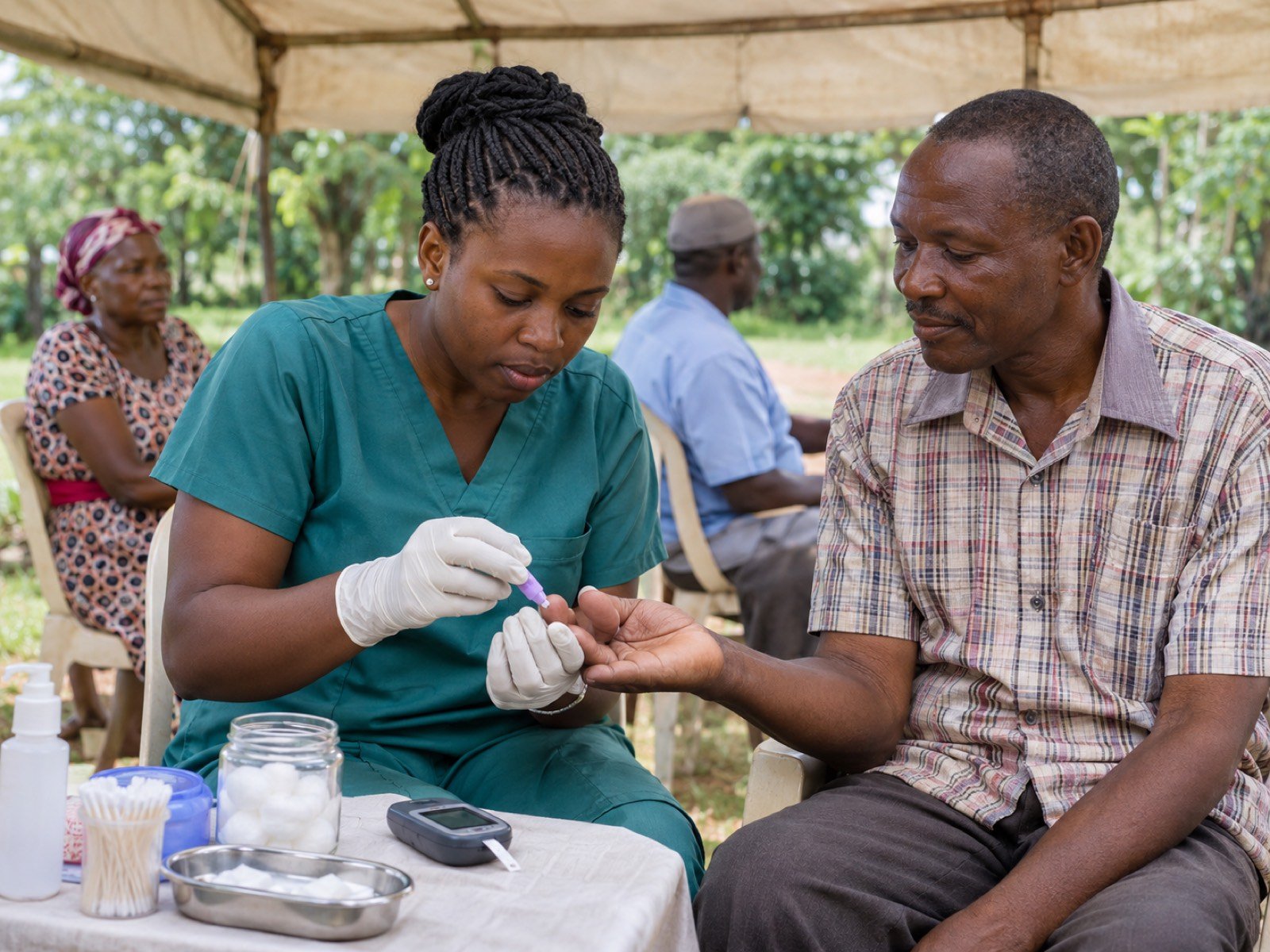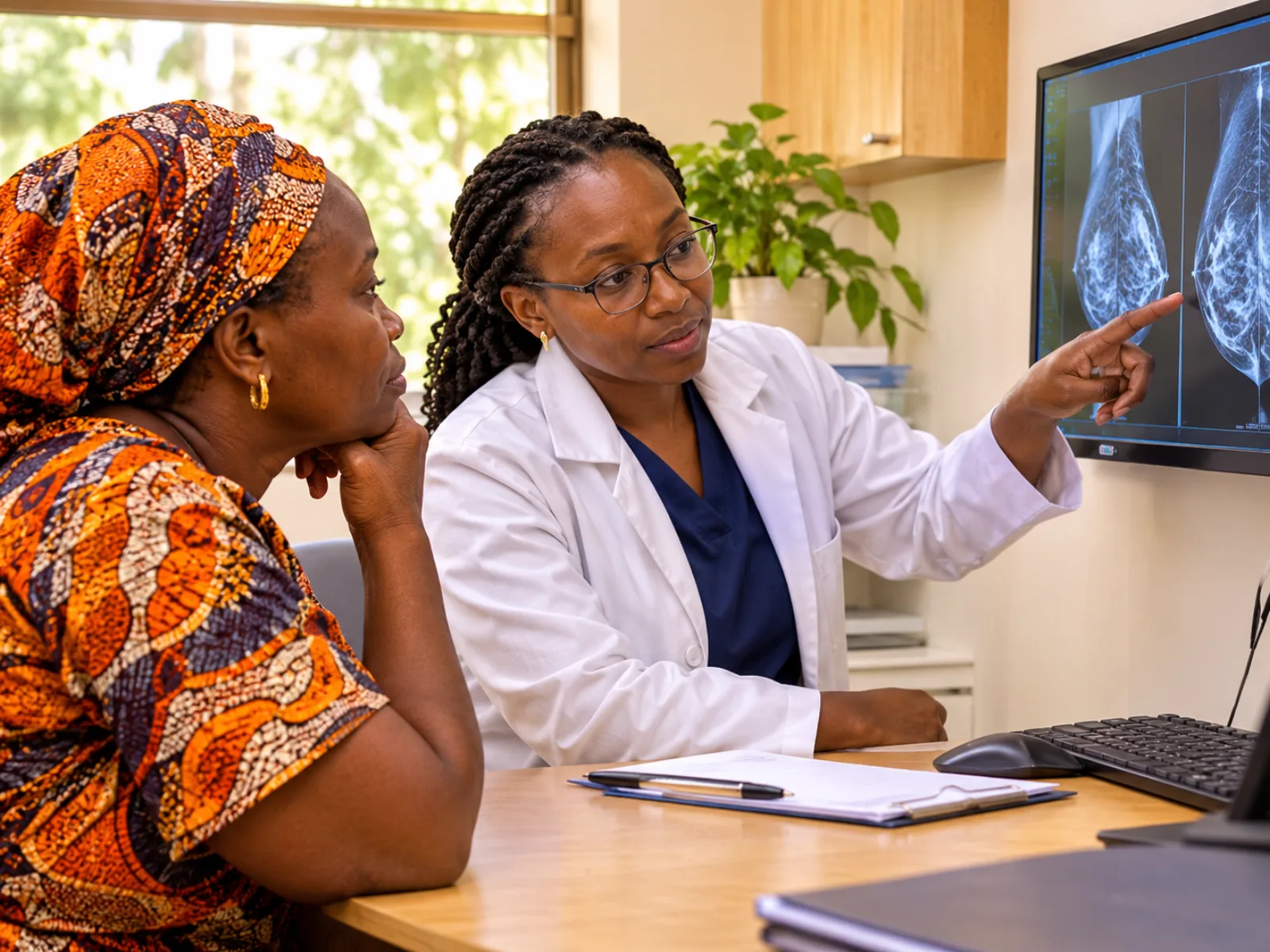


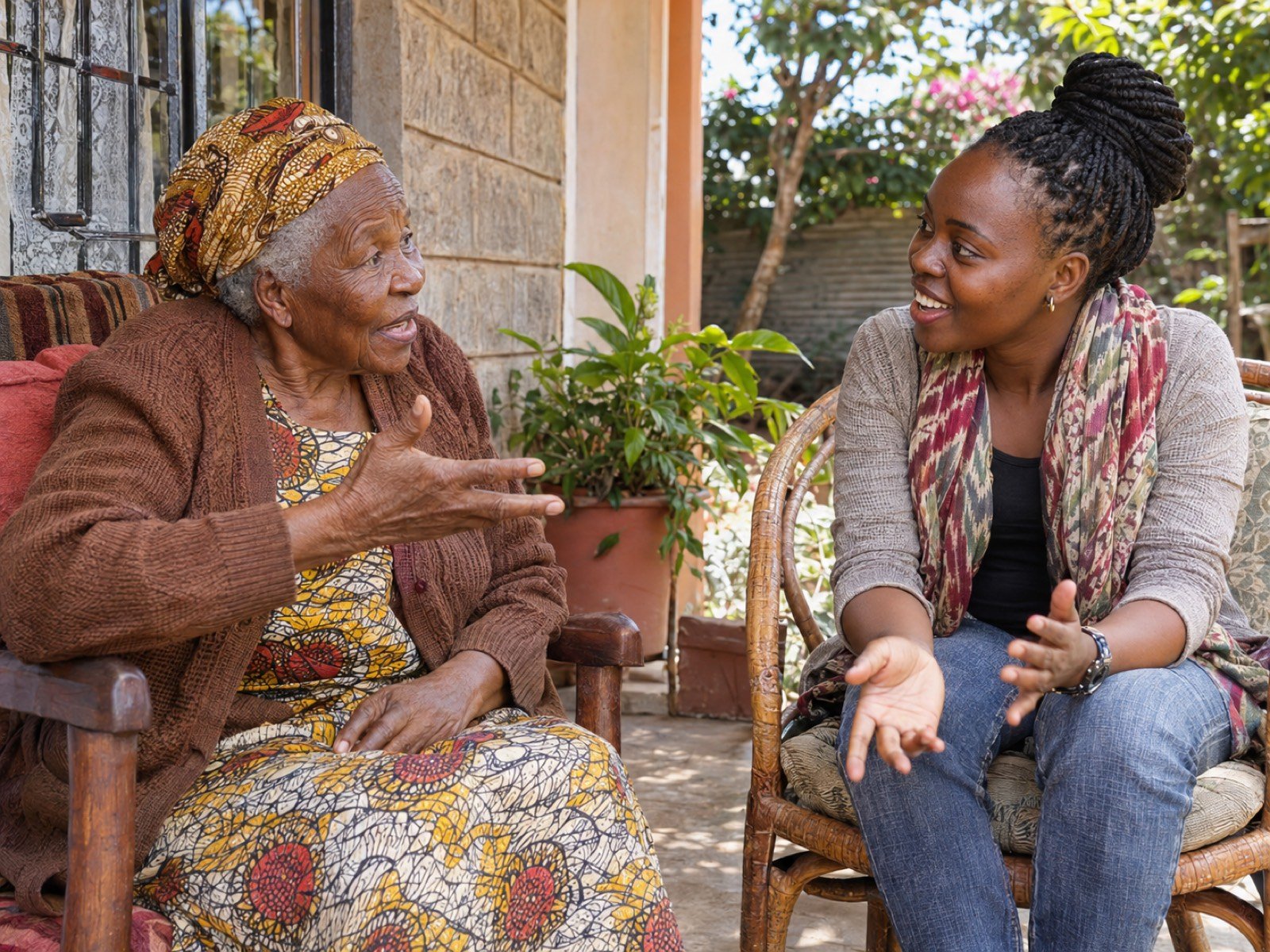
Growing older is one of life’s most universal experiences, yet conversations about ageing often remain overlooked until a health challenge arises. While society frequently focuses on longevity, there is a growing need to discuss how people can age well, maintain their independence, stay connected to their communities and continue living with purpose and dignity.
Ageing is far more than a biological process. It is a deeply human experience shaped by physical health, emotional wellbeing, relationships, social inclusion and the environments in which people live. Understanding ageing requires looking beyond medical conditions and recognizing the individuals, stories and experiences that define later life.
Traditionally, discussions about ageing have focused on chronic illnesses, mobility challenges and medical care. While these aspects remain important, they represent only part of the picture. Mental health concerns, loneliness, dementia, depression, elder abuse, menopause and caregiver strain are equally significant issues that affect many older adults and their families. Unfortunately, these subjects are often discussed only when challenges become overwhelming.
A more meaningful approach recognizes that healthy ageing includes physical, mental, emotional and social wellbeing. It requires healthcare systems that see individuals beyond their diagnoses and communities that foster inclusion, connection and respect. Growing older should not mean losing one’s voice, identity or role in society. Older adults remain individuals with knowledge, aspirations, preferences and valuable life experiences that continue to enrich families and communities.
How society perceives ageing has a direct impact on how older adults are treated and supported. When old age is viewed solely through the lens of decline and dependency, opportunities to appreciate experience, wisdom and continued contribution are lost. Challenging age-related stereotypes is essential in creating environments where older people feel respected, included and valued.
Meaningful ageing conversations must also encourage stronger intergenerational relationships. Families, caregivers, communities and younger generations all have a role in understanding the realities of ageing and ensuring older adults remain active participants in decisions that affect their lives. Through initiatives such as Golden Grace, clinical expertise, lived experiences, non-clinical perspectives, and the performing arts come together to create more accessible and empathetic discussions around ageing.
Supporting older adults is not solely the responsibility of healthcare institutions. Families need information and resources to navigate caregiving. Caregivers need recognition and support to protect their own wellbeing. Communities must strive to become more inclusive and responsive to the needs of ageing populations. Healthcare systems must continue providing accessible, compassionate and person-centred care.
Most importantly, these conversations should begin early, before health challenges emerge, before isolation takes hold and before caregiving pressures become overwhelming. Awareness, preparation and meaningful connection can help shape healthier ageing experiences.
We believe ageing deserves ongoing, inclusive dialogue. Through platforms such as Golden Grace, we seek to promote understanding, encourage dignity and foster a more compassionate approach to ageing.
Because ageing is not a conversation for a select few. It belongs to all of us. And dignity should remain a constant companion in every season of life.