

Diabetes is one of the fastest-growing health challenges worldwide, affecting millions of individuals and placing increasing pressure on healthcare systems. Addressing diabetes, however, requires more than medical treatment. It calls for a broader commitment to prevention, healthier lifestyles, community support and continuous care for those living with the condition.
While awareness campaigns have played an important role in helping people understand diabetes, recognize symptoms and appreciate the importance of screening, the conversation must go further. Diabetes is not only a clinical issue but also a public health concern influenced by lifestyle, environment and access to healthcare.
Several factors contribute to the increasing prevalence of Type 2 diabetes, including unhealthy diets, physical inactivity, obesity and the availability of highly processed foods. Family history, age and genetic predisposition can also increase risk. Recognizing these factors is important, but so is avoiding stigma. People living with diabetes need support and understanding, while those at risk need practical information that empowers healthier choices.
A sustainable response to diabetes begins with prevention. Although not all forms of diabetes can be prevented, many cases of Type 2 diabetes can be delayed or avoided through healthy lifestyle habits. Encouraging balanced nutrition, regular physical activity, healthy weight management, adequate sleep and routine health check-ups can significantly reduce risk.
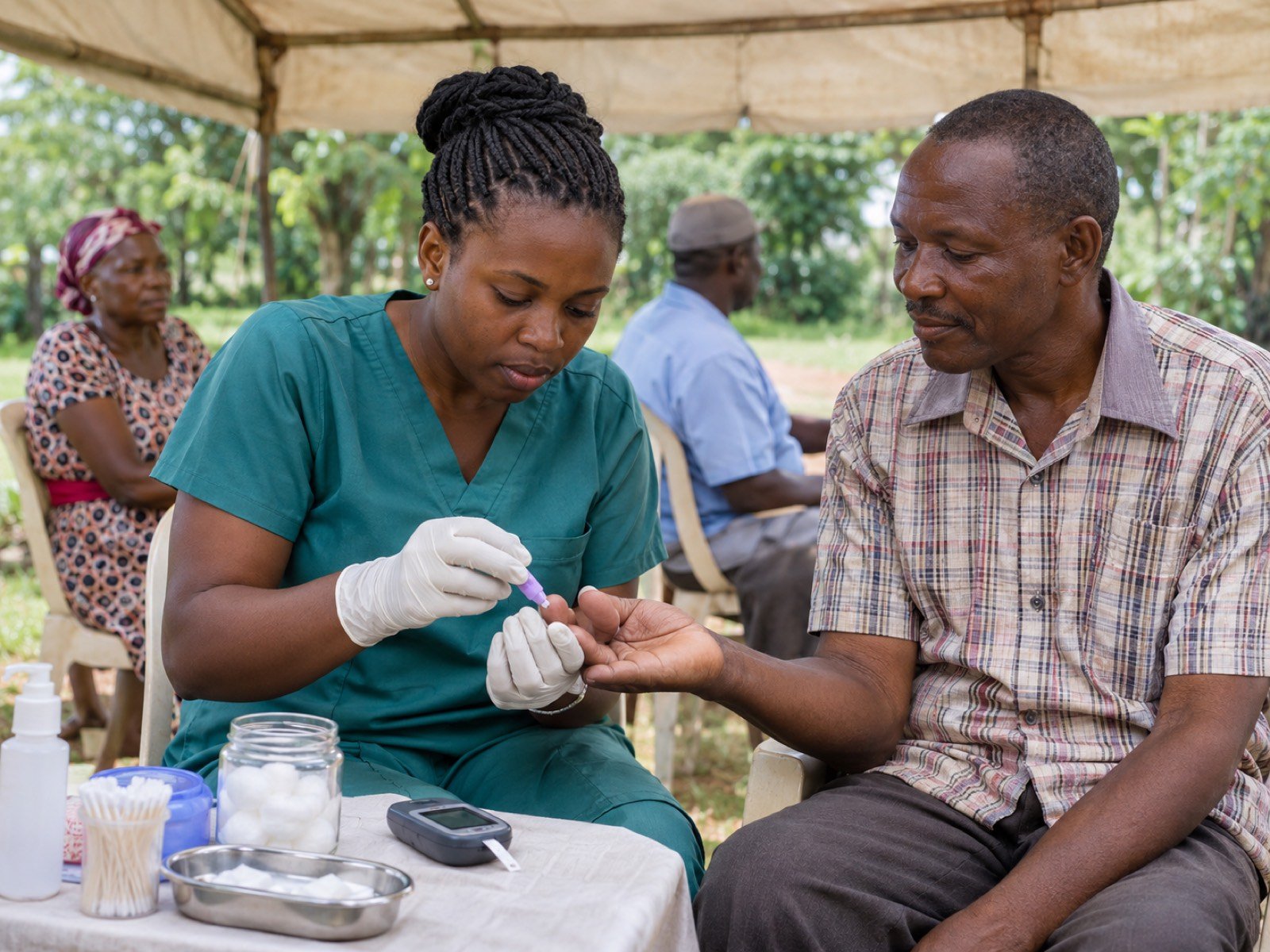
Prevention should not be limited to annual awareness days. It must become part of everyday life through continuous health education in schools, workplaces, faith-based organizations and community groups. Regular screening is equally important. Blood glucose testing and risk assessments can help identify individuals who may be living with undiagnosed diabetes or are at increased risk, creating opportunities for early intervention and better outcomes.
For people already living with diabetes, effective management requires more than medication. It involves ongoing monitoring, nutritional guidance, regular medical reviews and a clear understanding of how daily habits influence health. Diabetes can affect multiple organs, including the heart, kidneys, eyes and nerves, making comprehensive and coordinated care essential.
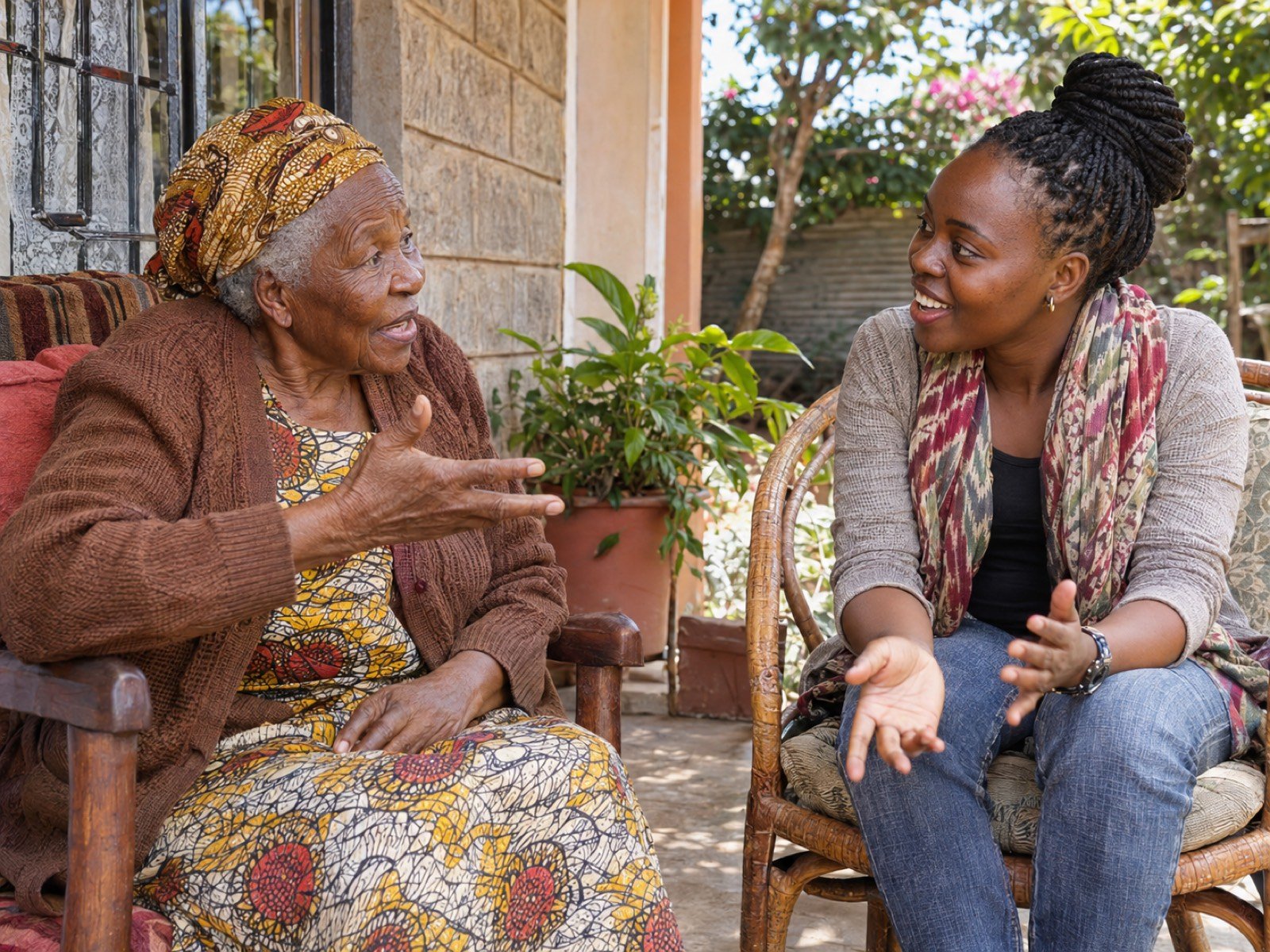
Equally important is the role of families and caregivers. Their support can help individuals maintain treatment plans, adopt healthier routines and navigate the challenges of living with a chronic condition. A sustainable healthcare approach therefore focuses on continuity of care, patient education and early management of complications.
Addressing diabetes is a shared responsibility. Healthcare providers, policymakers, schools, workplaces, communities and families all have a role to play in promoting healthier lifestyles and improving access to preventive services. Community outreach programmes, health education initiatives and accessible screening services can help reach populations that face barriers to care.
This commitment extends beyond treatment through community sensitization, health education and screening initiatives across our hospital and satellite centres. By promoting preventive healthcare and encouraging proactive health management, we seek to improve health outcomes and support healthier communities.
Ultimately, the goal is not only to manage diabetes but also to prevent avoidable illness, reduce complications and build a healthier future. Achieving this requires informed communities, accessible healthcare and a collective commitment to prevention, care and healthy living.