


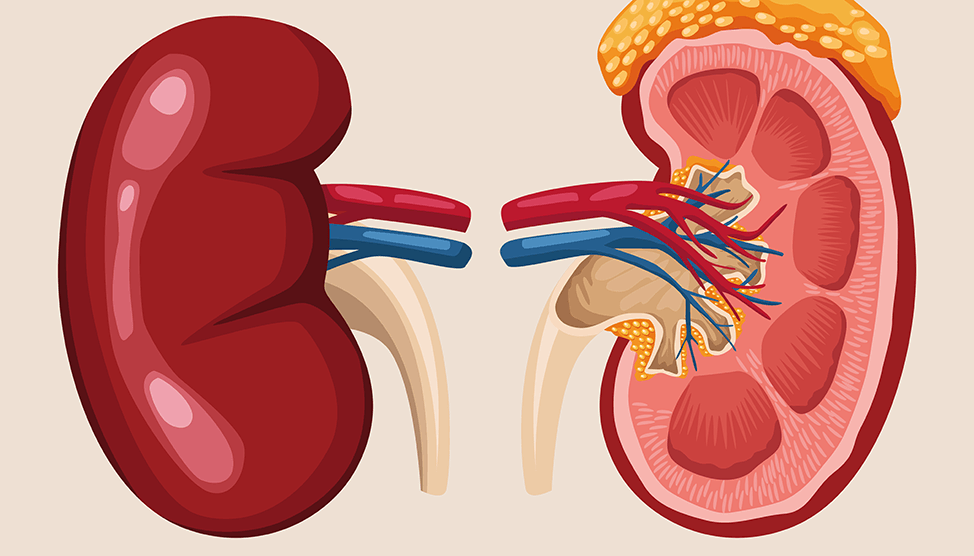
When we think about our vital organs, the heart and lungs often take center stage. However, our kidneys perform an equally crucial role in keeping us alive and healthy. Chronic kidney disease (CKD) is a serious condition that occurs when the kidneys become damaged over time, typically lasting for at least three months, and lose their ability to filter waste and excess fluid from the blood among other functions. This silent condition affects an estimated 10% of adults worldwide, yet many remain completely unaware of the danger.
The kidneys are remarkable organs that do much more than just produce urine. They act as the body’s natural filtration system, balancing essential salts and minerals, controlling blood pressure, maintaining the acid and base levels within normal and even helping the body produce red blood cells. When chronic kidney disease sets in, these vital functions begin to decline. The most concerning aspect of CKD is its stealthy nature; during the early stages, the condition is often entirely asymptomatic. People may not realize their kidneys are failing until the disease has reached an advanced stage, making early detection through routine medical check-ups absolutely essential.
Medical professionals categorize chronic kidney disease into five distinct stages based on the estimated glomerular filtration rate (eGFR), a blood test that measures how well the kidneys are filtering waste.
| eGFR Level (mL/min) |
| 90 or above |
| 60 to 89 |
| 45 to 59 |
| 30 to 44 |
CKD Stage
Stage 1
Stage 2
Kidney Function Status
Healthy kidney function with mild damage
Mild loss of kidney function
Mild to Stage moderate
3a loss of function
Moderate Stage to severe
3b loss of function
| 15 to 29 |
| Less than 15 |
Severe Stage loss of 4 kidney
Stage 5
function
Kidney failure (End-stage renal disease)
As the disease progresses to the later stages, symptoms finally begin to manifest. Individuals may experience persistent nausea, vomiting, a noticeable loss of appetite, and profound fatigue. Other common signs of advanced CKD include sleep disturbances, decreased mental sharpness, swelling in the ankles and feet due to fluid retention, and high blood pressure that becomes increasingly difficult to manage. When the kidneys completely fail in Stage 5, patients require life-sustaining treatments such as dialysis or a kidney transplant.
Understanding the risk factors is the first step in prevention. The two leading causes of chronic kidney disease are diabetes and high blood pressure. Other significant risk factors include heart disease, obesity, a family history of kidney failure, and being over the age of 60. Certain lifestyle choices, such as smoking and the frequent use of non-steroidal anti-inflammatory drugs (NSAIDs) like ibuprofen, can also significantly increase the risk of developing kidney damage over time.
“Early detection and treatment can help slow or stop CKD. How well your treatment can achieve this goal depends on your stage of CKD when you start treatment.”
Fortunately, there are proactive steps one can take to protect kidney health. Managing underlying conditions like diabetes and high blood pressure is paramount. Adopting a healthy lifestyle by maintaining a balanced diet, controlling salt intake, staying properly hydrated, exercising regularly, and avoiding tobacco use and alcohol can significantly reduce your risk. If you have any risk factors for chronic kidney disease, do not wait for symptoms to appear. Speak with your healthcare provider about getting tested—a simple blood and urine test could be the key to preserving your kidney health for years to come.
By Dr. Bagha Hussein – Consultant Nephrologist.